South Africa has a vibrant and fast-growing betting market. From sports betting to online casinos, millions of South Africans participate regularly. Betting platforms like Betway, Hollywoodbets, and Supabets dominate the landscape, offering users a wide variety of betting opportunities.
Betting Account Policies
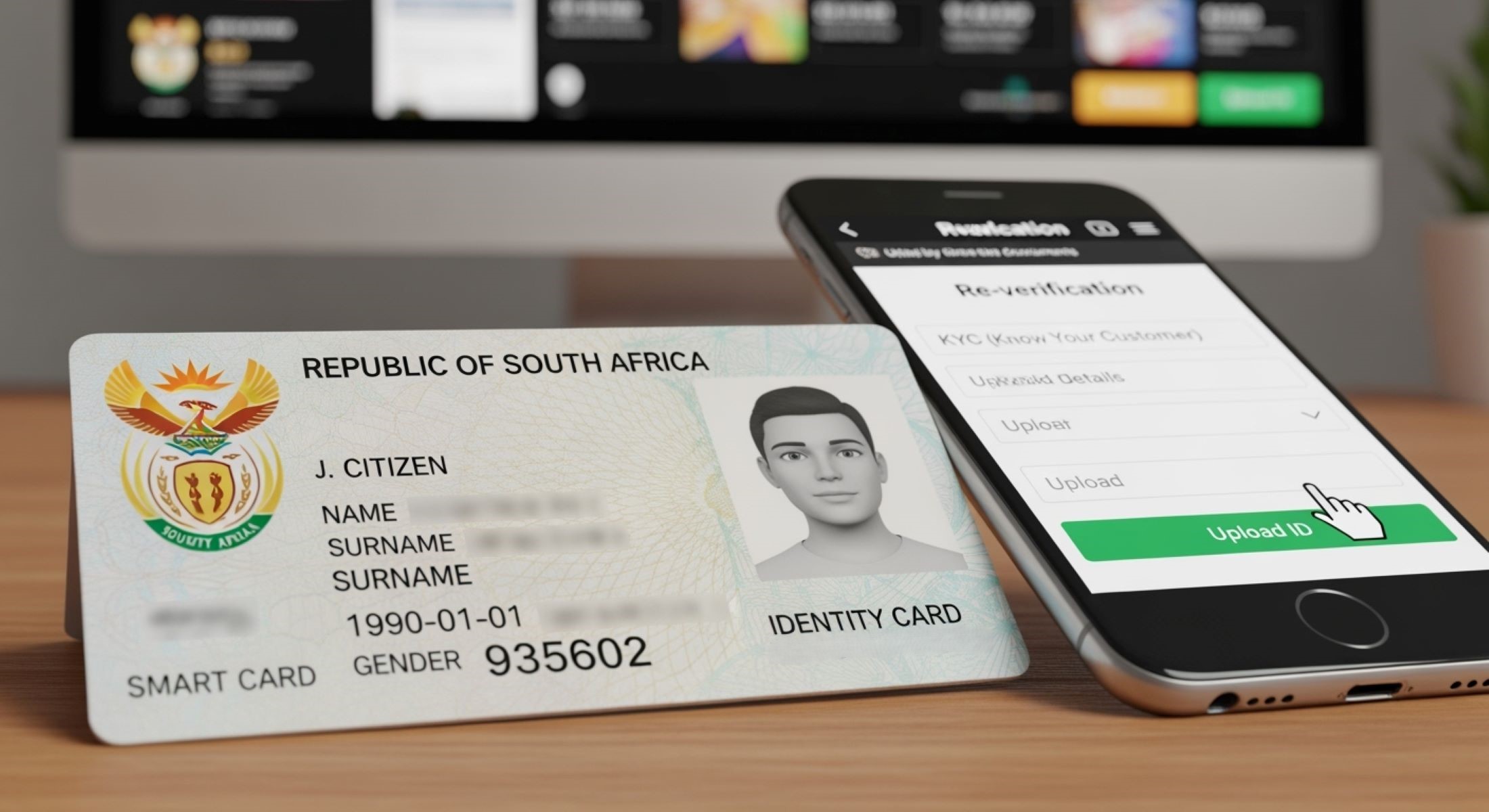
A betting account is essentially your personal profile on an online betting platform. It is where you log in to place bets on sports, casino games, or other gambling activities. This account stores important and sensitive information such as your full name, identification documents (required for KYC—Know Your Customer—checks), banking details for deposits and withdrawals, and a full history of your bets and transactions. Because this data is private and financial in nature, maintaining the security and exclusivity of your betting account is crucial. It is the gateway to your funds and winnings, so controlling access strictly to yourself helps prevent unauthorized use or fraud.
Common Rules and Regulations for Betting Accounts
Most betting sites, including those popular in South Africa, emphasize that a betting account is for the exclusive use of the registered individual. This means:
- You must not share your login details with others.
- The account should not be used by anyone other than the registered owner.
- Each person should maintain their own account to avoid complications.
Violation of these rules is considered a breach of the betting platform’s terms and conditions. These terms are legally binding agreements between you and the betting company. Sharing an account can cause the platform to flag unusual activity, which often results in the suspension or closure of the account.
Beyond personal use restrictions, betting platforms may require users to verify their identity before allowing withdrawals. This is to ensure that the person placing bets and withdrawing money is the same individual who registered the account. This identity verification protects against fraud and money laundering. Hence, these rules serve as a safeguard to protect all parties involved.
Why are Betting Account Policies Important
Betting account policies serve several critical functions that benefit both players and betting companies. First, they prevent fraudulent activities such as identity theft, money laundering, and unauthorized betting. Since betting involves real money, ensuring that the funds and personal information are handled securely is paramount. These policies help maintain the trust and confidence of the user community and regulators alike.
Second, these policies ensure the fairness and transparency of the betting process. By restricting account usage to one person, platforms can accurately track betting behavior and identify suspicious or manipulative activities. This helps prevent cheating and guarantees that winnings are awarded to the rightful owner. In South Africa, where online betting is strictly regulated, adherence to these policies is necessary to maintain compliance with local laws and to foster a safe betting environment.
Is Sharing Betting Accounts Allowed in South Africa
When it comes to sharing betting accounts in South Africa, the answer is mostly “No,” at least from the standpoint of betting platforms. While the South African gambling laws do not specifically outlaw sharing accounts, most betting companies’ policies explicitly forbid it. Sharing accounts violates the user agreement, which you accept when creating the account. These agreements are legally binding contracts, and breaking them can lead to penalties.
Most betting operators emphasize individual use to maintain security and prevent fraudulent activity. South African betting sites expect every user to register and play using their own account. This helps ensure accurate identification and prevents misuse of personal information. So even if local laws don’t directly ban sharing, betting companies’ rules make it a risky practice.
Legal Standpoint on Account Sharing
From a legal perspective in South Africa:
- There is no direct legislation that explicitly prohibits sharing betting accounts.
- However, the National Gambling Act and associated regulations require betting operators to verify the identity of players to combat fraud and money laundering.
- Sharing accounts undermines these verification processes because multiple people accessing one account breaks the “Know Your Customer” principle.
Thus, while you may not be breaking the law by sharing accounts, you are violating the contractual obligations with the betting company. This breach of contract can have serious consequences, such as account suspension or permanent bans. Moreover, should any illegal activity occur via a shared account, all parties involved may face complications with authorities.
Terms and Conditions of Major South African Betting Sites
Major South African betting platforms have clear policies on account sharing. For example:
- Betway states that accounts must only be accessed and used by the registered individual. Sharing login details is prohibited.
- Hollywoodbets requires users to maintain exclusive control of their accounts, explicitly forbidding sharing or transfer of accounts.
- Other platforms like Supabets and Sunbet have similar clauses emphasizing individual responsibility.
If these terms are violated, the consequences can be severe:
- Immediate suspension or closure of the account without prior warning.
- Forfeiture of any accumulated winnings or bonuses.
- Possible permanent ban from the platform.
The strict enforcement of these policies is designed to protect both the user’s interests and the integrity of the betting service.
Risks Involved in Sharing Betting Accounts
Sharing a betting account is more than just a breach of rules—it carries multiple risks:
- Financial Risk: The person you share your account with could place unauthorized bets, potentially losing your money or placing bets you wouldn’t approve.
- Security Risk: Sharing login details means exposing your personal and banking information, increasing the chance of identity theft or fraud.
- Loss of Control: If suspicious or fraudulent activity occurs, the account may be suspended, locking you out of your funds and winnings.
- Legal and Contractual Risk: Violating the terms of service can result in losing your account and legal complications if fraud or money laundering is suspected.
Ultimately, sharing your account compromises your control and safety. It’s always better to create your own account and enjoy betting responsibly.
Potential Consequences of Sharing Betting Accounts
Account Suspension or Closure
One of the most immediate consequences of sharing your betting account is suspension or permanent closure by the betting platform. If a site detects multiple users accessing a single account, it often triggers their security protocols. This can result in an account freeze or outright closure without prior warning. Losing access to your account means you can no longer place bets, withdraw funds, or access your betting history. For many bettors, especially those who have been active for a long time, this can be a significant loss, not only financially but also emotionally, since all betting records and achievements vanish.
In South Africa, where betting platforms are tightly regulated, companies prioritize maintaining security and compliance with legal requirements. Suspicious activities such as account sharing raise concerns over potential fraud or money laundering. Consequently, platforms act quickly to protect both themselves and legitimate users. Once an account is closed due to sharing, it is often difficult or impossible to regain access, making this risk a strong deterrent against sharing.
Loss of Winnings and Funds
Another critical consequence is the potential forfeiture of your winnings and deposited funds. Many betting sites include clauses in their terms and conditions that allow them to confiscate any winnings if they detect account sharing or other violations. So even if you place a successful bet or win a jackpot, the betting operator may withhold your payout if they suspect the account was used by more than one person.
This policy exists to discourage misuse and maintain fairness. By sharing an account, you risk losing not only your current balance but also any bonuses or promotional rewards linked to the account. Additionally, betting companies may freeze the funds during investigations, meaning you could be locked out of your money for an extended period. Given these financial risks, sharing your account can quickly turn from a convenience into a costly mistake.
Impact on Personal Data and Security
Sharing your betting account inevitably means sharing sensitive personal and financial information. Your account contains details like your full name, identity documents, banking or e-wallet info, and betting history—all data that must be safeguarded. When multiple people have access to this information, the risk of it falling into the wrong hands increases dramatically.
This can lead to identity theft, where malicious actors use your personal data for fraudulent activities beyond betting platforms. Additionally, hackers or unauthorized users could attempt to withdraw your funds or place bets that you didn’t authorize, potentially resulting in financial loss or legal trouble. Protecting your personal data by keeping your account details confidential is critical to maintaining your security both online and offline.
| Consequence | Description | Impact on User | Risk Level |
| Account Suspension or Closure | Betting sites can freeze or close accounts detected for sharing without notice. | Loss of access, inability to bet or withdraw funds. | High |
| Loss of Winnings and Funds | Sites may confiscate winnings and bonuses if account sharing is detected. | Financial loss, locked funds. | Very High |
| Impact on Personal Data and Security | Sharing exposes personal info, increasing risk of identity theft and fraud. | Compromised identity, potential financial fraud. | Very High |
How Betting Companies Detect Account Sharing
IP Address Tracking and Login Patterns
Betting platforms closely monitor where and how their users log in. Each device connecting to the internet has an IP address, which can give away the general location of the user. When a single betting account logs in from vastly different geographical locations within short periods, this inconsistency raises suspicion. For example, if an account logs in from Johannesburg one day and Cape Town the next, especially within a few hours, it signals potential account sharing or unauthorized access.
Platforms also track login patterns to detect unusual behaviors, such as multiple concurrent sessions or logins from multiple devices in a short span. This information allows operators to identify suspicious activities early and take action before potential fraud or abuse occurs.
Device Fingerprinting
Beyond just IP addresses, betting companies use advanced technologies called device fingerprinting. This technique collects detailed information about the device used to access the account, such as the browser type, operating system, screen resolution, and installed plugins. Each device leaves a unique “fingerprint” that helps the platform recognize if the same or different devices are logging into an account.
If an account is accessed from multiple unique device fingerprints regularly, it can be a clear sign that more than one person is using it. Betting sites can then flag the account for review, request additional verification, or impose restrictions to protect their system and the user.
Behavioral Analytics and Unusual Activities
Betting platforms also analyze betting behavior over time. Each bettor develops patterns—preferred sports, betting amounts, times of activity, and types of bets. Sudden changes in these patterns can be a red flag. For instance, if an account usually places small bets on soccer but suddenly makes large, high-risk bets on horse racing, this could indicate multiple users or account sharing.
These behavioral analytics help operators detect unusual or potentially fraudulent activities without relying solely on technical indicators. If detected, the platform may suspend the account and request identity verification before allowing further use. This approach protects both the operator and the legitimate account owner from misuse.