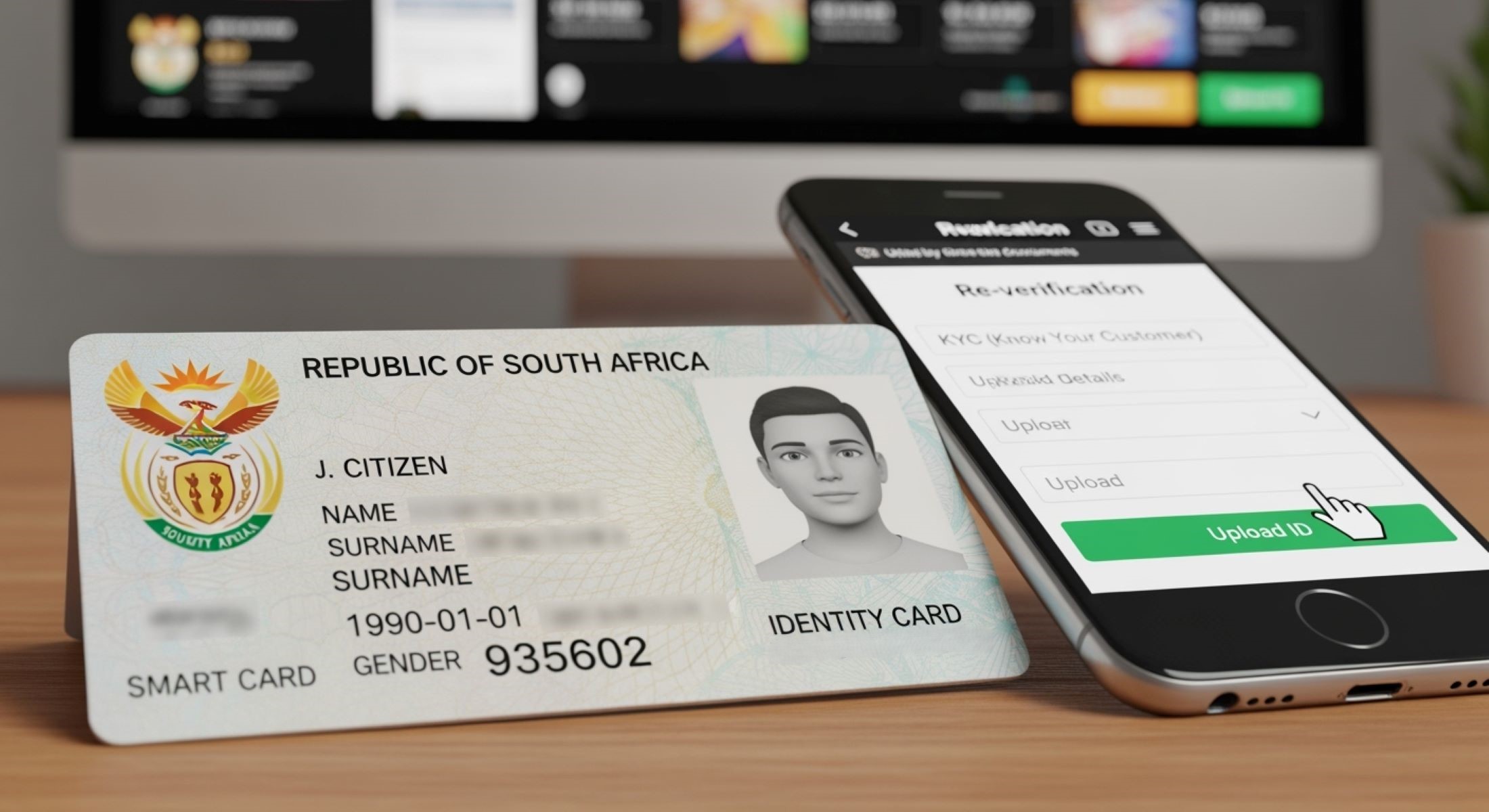
Re-verification is the process by which individuals confirm or update their personal information to ensure that government records are accurate and up to date. In South Africa, this process is particularly crucial because it affects access to essential services like social grants, healthcare, and other government benefits.
The Background of Re-Verification in South Africa
Overview of South Africa’s ID and Verification Systems
South Africa’s identity verification system revolves primarily around the smart ID card. This card is a biometric document issued by the Department of Home Affairs, containing critical personal data such as fingerprints, photographs, and other identifying information. The smart ID card is designed to improve security and reduce identity fraud by making it harder for individuals to use fake or duplicate identities. The Department of Home Affairs is responsible for issuing, managing, and maintaining these records, aiming to ensure that every citizen and legal resident has a unique and secure identity within the national system.
However, despite the advanced technology, challenges have emerged over time. Many records have become outdated due to changes in personal circumstances, and the system has faced problems with identity theft and fraudulent claims. This has led to growing concerns that the database contains inaccurate or incomplete information. To address these issues, the government introduced a comprehensive re-verification campaign. The purpose is to update records, confirm identities, and remove fraudulent or duplicate entries, ultimately strengthening the integrity of South Africa’s identity system.
Historical Context Leading to Re-Verification Policies
The historical context behind re-verification efforts in South Africa is deeply rooted in the country’s complex social and political landscape. For years, the government has faced challenges related to the misuse of social grants and public services. In many cases, individuals were able to claim benefits based on incomplete, incorrect, or fraudulent information. This resulted in “ghost beneficiaries” — people who either didn’t exist or were deceased but whose identities were still being used to fraudulently receive government assistance.
As the problem grew, it became clear that a system-wide cleanup was necessary. Re-verification policies were introduced to counter these abuses by requiring individuals to confirm and update their details. This process not only helps prevent fraud but also improves the fairness and accuracy of benefit distribution. The government’s goal was to ensure that resources meant for vulnerable citizens were not being siphoned off by illegal activities, thereby improving trust in the system and supporting social equity.
Reasons Behind Re-Verification
Combating Identity Fraud and Theft
One of the primary reasons South Africa undertakes re-verification is to combat identity fraud and theft, which have become significant challenges in the country. Fraudsters often exploit stolen or fake identities to illegally access social grants, healthcare, and other essential public services. These fraudulent activities drain government resources that are meant for vulnerable populations, creating an unfair situation where undeserving individuals benefit at the expense of those who truly need support.
Re-verification works as a powerful tool to expose and eliminate such fraudulent cases. By requiring individuals to update and confirm their personal data — including biometric information like fingerprints — the system can effectively detect mismatches and suspicious claims. This process helps in:
- Identifying stolen or forged identity documents.
- Detecting multiple claims made using the same identity.
- Preventing unauthorized access to government benefits.
- Protecting taxpayers’ money by reducing fraudulent payouts.
The biometric aspect of the smart ID card system makes fraud much harder to commit because physical identifiers are unique to each person, unlike names or birthdates that can be easily copied or manipulated. Therefore, re-verification not only safeguards government funds but also strengthens the overall security of South Africa’s public services.
Ensuring Accurate Records for Social Grants and Services
Re-verification is crucial to maintaining accurate and up-to-date records for social grants and other government services. South Africa provides various social grants such as child support, old-age pensions, disability grants, and more. These grants are designed to assist vulnerable groups and improve quality of life. However, if beneficiary records are outdated or incorrect, the effectiveness of these programs is compromised.
There are many reasons why personal records may change, including:
- Changes in marital status (e.g., divorce or remarriage).
- Death of beneficiaries or household members.
- Migration or relocation within or outside the country.
- Changes in employment or income status.
If these updates are not reflected in government databases, it can lead to incorrect payments—either overpayments to those no longer eligible or underpayments to those still qualified. Re-verification allows authorities to:
- Update beneficiaries’ personal and contact information.
- Confirm current eligibility for grants.
- Remove deceased or ineligible individuals from the system.
- Ensure that social support is directed to the rightful recipients.
By regularly updating and verifying records, the government can improve fairness, reduce errors, and enhance service delivery to South Africans who rely heavily on these social support mechanisms.
Preventing Duplicate and Fake IDs
Another critical reason for re-verification is to prevent the existence and use of duplicate and fake identity documents within South Africa’s national system. Duplicate IDs occur when one person holds multiple identity documents, sometimes intentionally to commit fraud, or when the system contains multiple entries for the same individual due to administrative errors. Fake IDs refer to forged or counterfeit identity cards used to impersonate others or bypass legal requirements.
Re-verification processes help the Department of Home Affairs to identify and remove these problematic documents by:
- Cross-referencing biometric data (fingerprints, photos) to detect duplicates.
- Flagging inconsistencies in personal data across different records.
- Validating documents against the central database.
- Investigating suspicious cases of multiple identities.
The removal of duplicate and fake IDs is essential because it:
- Protects the integrity and trustworthiness of official documents.
- Ensures that only genuine citizens and residents access social services.
- Aids law enforcement in preventing and investigating crimes related to identity fraud.
- Improves data quality and reliability across government departments.
Ultimately, preventing duplicate and fake IDs contributes significantly to the accuracy and security of South Africa’s identity system, supporting a more transparent and efficient delivery of public services.
Who Needs to Undergo Re-Verification
| Group | Reason for Re-Verification | Key Points | Impact |
| Recipients of Social Grants | Grants funded by taxpayers, vulnerable to fraud | Prevents misuse of funds, ensures aid reaches the needy | Protects social welfare budget and supports genuine beneficiaries |
| Holders of ID Documents & Passports | Ensures personal identity information is accurate | Updates biometric and personal details, reduces fraud | Strengthens national identity system and document reliability |
| Foreign Nationals and Refugees | Manages immigration and maintains accurate records | Confirms legal status and residency information | Helps regulate immigration and service eligibility |
Recipients of Social Grants
Social grant recipients form a major focus of the re-verification campaign in South Africa. These grants are funded by taxpayers and aim to support vulnerable groups such as the elderly, children, and people with disabilities. Because these funds are limited and precious, fraudsters trying to exploit the system by using false or outdated information put enormous pressure on public resources. Re-verification ensures that only those who genuinely qualify receive their grants, which helps protect the integrity of the social welfare system.
This process also promotes fairness and transparency. By verifying identities and updating beneficiary records regularly, the government minimizes errors like overpayments or payments to deceased individuals. Consequently, social grants can better serve their intended purpose — improving the lives of those truly in need — while safeguarding taxpayers’ money from misuse.
Holders of Identity Documents (ID) and Passports
Anyone holding an official South African identity document or passport might be called upon to participate in re-verification. This is because accurate and current identity information is essential for everything from voting to accessing government services and traveling. The government wants to ensure that the data linked to these official documents—such as biometric details and personal information—is up to date and valid.
Re-verification for ID and passport holders helps close gaps that may arise due to changes in personal circumstances, administrative errors, or fraudulent activity. It strengthens the security of South Africa’s identity management system by confirming the authenticity of documents and the identity of the holders. For citizens and permanent residents, this process builds trust in the system and reduces the risk of identity theft or misuse.
Foreign Nationals and Refugees in South Africa
Foreign nationals and refugees living in South Africa are also often required to undergo re-verification to confirm their legal status and update their records. Immigration control is a vital part of maintaining national security and ensuring that public resources are distributed fairly. Keeping accurate data on non-citizens helps the government monitor residency permits, asylum claims, and the rights to access social and public services.
Re-verification helps prevent identity fraud and misuse within these groups as well, by requiring updated biometric and personal information. This also enables authorities to manage immigration more effectively and maintain reliable records that reflect changes such as extensions of stay, changes in status, or relocation. Ultimately, this benefits both the individuals involved and the country by promoting legal compliance and transparency.
The Re-Verification Process
Step-by-Step Guide to Re-Verification
The re-verification process in South Africa follows a structured and clear set of steps designed to be as accessible as possible. First, individuals receive a notification from the Department of Home Affairs, which informs them about the requirement to update their identity or grant records. This notification usually includes instructions on where and when to attend re-verification.
Next, individuals must prepare the necessary documents such as their South African ID, proof of residence, and any other supporting papers related to their status. They then visit the nearest Home Affairs office or an approved center where they will submit their biometric data—fingerprints and photographs—along with updated personal information. After submitting all the required information, they receive confirmation of successful re-verification, completing the process. This step-by-step approach ensures transparency and clarity for applicants.
Required Documents for Re-Verification
To complete the re-verification successfully, certain essential documents must be presented. Typically, this includes a valid South African ID or passport as proof of identity. For individuals who may not have a smart ID yet, a birth certificate or an official identity document is accepted. Proof of residence is also necessary, which could be a utility bill or lease agreement showing the applicant’s current address.
Additionally, depending on the situation, supporting documents related to social grant status—such as grant cards or letters from social services—may be required. These documents help verify eligibility and update records accurately. It is important for applicants to bring original documents and, where applicable, certified copies to avoid delays.
Locations and Platforms for Re-Verification
While the majority of re-verification activities take place at physical offices of the Department of Home Affairs, South Africa has also made efforts to increase accessibility. In rural or underserved areas, mobile units travel to bring services closer to residents who may find it difficult to visit official offices. These mobile centers offer biometric capture and document verification on-site.
Furthermore, some aspects of the re-verification process have been introduced online or via digital platforms, aiming to reduce queues and administrative burdens. However, biometric data capture still requires physical presence due to its nature. The use of multiple locations and platforms helps ensure that as many eligible individuals as possible can complete the re-verification process smoothly, no matter where they live.